
One thing that I really hate about the idea of dying someday is that I won’t know all the things that will be discovered in the future. Think about how different the world is today than it was 100 years ago. It’s so different!
And I would love to know what discoveries will be made in the NEXT 100 years. Or the next 1000 years.
What will people wear?
What will be the final cure for cancer?? Will they think we were barbarians for treating cancer by poisoning the sufferers with chemo and radiation? (yes)
Will we go to Mars?
What will people name their kids in the year 2320??
And what would people who have long been dead think of our world today?
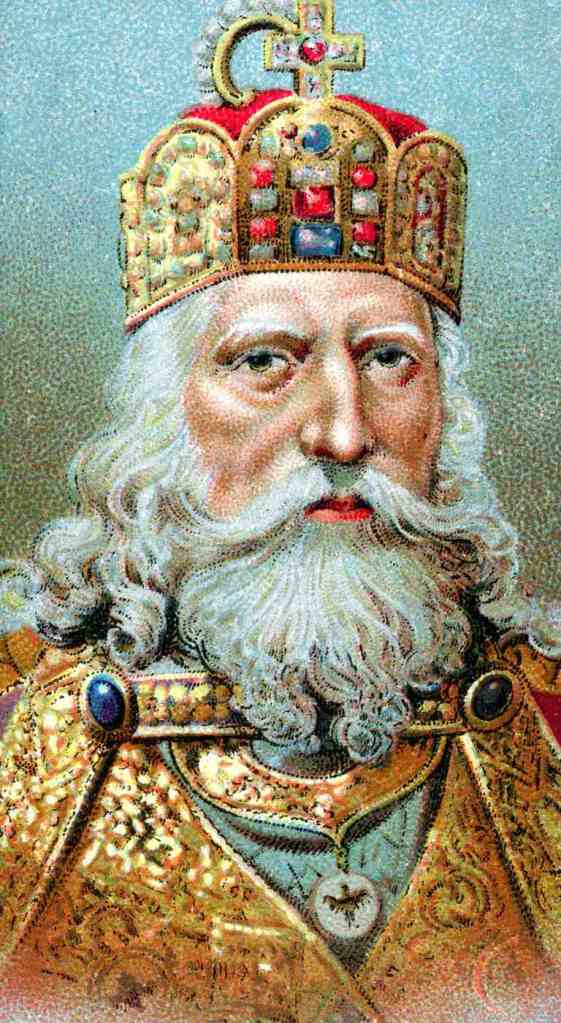
I mean, what if Charlemagne dropped into our 21st century life? What would he think about ALL THE THINGS?? So many discoveries! Such a different world!
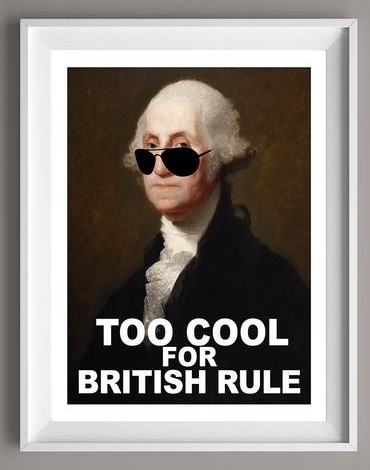
Sometimes I imagine that George Washington just appears in my car and I try to explain the modern world to him as we drive. He has trouble listening because the speed that we are traveling totally freaks him out. And the fact that a woman is allowed to drive. And wear slacks.
COVID-19 makes me wish even more that I could know things that we don’t yet know.
Things like:
What will cure it?
How long until it isn’t such a threat?
What will happen when we reengage socially again?
Would I survive if I got it?
Humans have this innate need to KNOW stuff before they take action, especially if it feels risky.
When we know what’s coming, when it’s coming, how long it will last, and how to deal with it, we feel more secure and more in control of our lives.
SAFE. We feel safe.
And more CONFIDENT.
Even if the task in front of us is unpleasant or unwanted, if we understand it well enough, we can still feel confident and secure in dealing with it.
Sort of like going in for a colonoscopy or a mammogram.
If you think about it, even the most timid among us confidently deal with uncertainty all the time.
You decide what to make for dinner – will anybody like it? Will they eat it?
You don’t know. But you make dinner anyway. Or not. 😁
You get in your car to go to work – will you be hit by a drunk driver on the way? Will you get stuck in traffic? Will you be fired when you get to work today? Will you have a new boss when you show up? You don’t know. But you get in your car and drive to work anyway.
You kiss your kids goodbye before school – will there be a shooting today? Will the school bus get there on time? Will your child be bullied or treated well? You don’t know. But you send those kiddos to school anyway.

We take for granted that during MUCH of the day we deal with uncertainties. We have become accustomed to these “routine” types of uncertainties, and we forget that we make choices all day long based on having faith that a particular thing will (or won’t) happen.
Living with routine, seemingly “small”, repetitive uncertainty feels normal to us.
We hardly even notice.
Then COVID-19 came along, and our world was turned upside down.
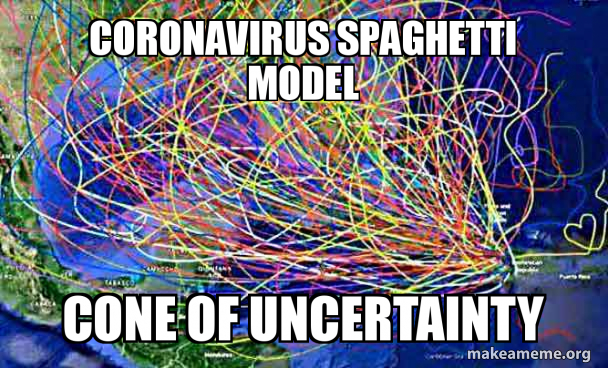
At first, we weren’t certain what the virus was, or what to do about it. Where did it really come from? Was the virus leaked on purpose or was it just a virus doing what viruses do?
Then it wasn’t clear how it spread or what to do about that. We didn’t have a treatment or a cure. There was (is) no vaccine.
We implemented some pretty extreme societal safeguards, but weren’t sure EXACTLY how much they helped prevent the disease. Which numbers were accurate?
We thought herd immunity was the way to go, then it wasn’t the way to go, then it was maybe the way to go.
Certain medications and treatments were heralded as wonderful answers, then soon demonized and ridiculed. Then maybe helpful. Then not.
No wonder we were (are) so confused and unsure.
We thought we knew which demographics were most vulnerable to the virus, and most likely to not survive it, then realized that those originally considered hardly vulnerable at all were indeed vulnerable to horrible, possibly long-lasting impact. MORE people were vulnerable than the experts first thought.
We thought we knew how long we’d have to isolate at home, then found out we needed to stay inside and away from others longer. Then we heard that isolation may do more harm than good. Then that we needed to isolate for a longer time.
We thought that you’d be immune once you had COVID antibodies in your system; then people tested positive AGAIN. And the virus mutated (because that’s what viruses do).

This virus was behaving especially badly.
The difference between the uncertainties of COVID-19 and the uncertainty of how your family will react to your dinner choice is two-fold:
- The ENORMITY of a pandemic and the accompanying scope of the uncertainties
- The UNFAMILIARITY of this type of uncertainty. Most of us have not experienced the life disruption and unknowns that come with a global pandemic or large scale crisis like this. We aren’t used to it (thankfully…).
So even though we are pros at navigating day to day life with some pretty severe uncertainties (Will the other cars stop at their red light or plow into me as I move into the intersection on my green light? Will my house catch on fire because a cat knocks over that candle I like to burn?), COVID-19 introduced a really dangerous, unfamiliar risk at a global level.
Even so, over the past several months, we’ve gotten more “comfortable” with the idea of the virus, social distancing practices, and what is required of us to live our lives. I still go to the grocery store, for example, even though there are likely people there who carry the virus. The difference is, I’ve taken precautions to lower my risk of contracting and/or exposing others, and the grocery store has implemented some safety precautions as well.
The changes are different, but not cumbersome, and I am willing to abide by these recommendations during the pandemic.


Quarantine fatigue started setting in for us all after a few months. We became restless and weary. We couldn’t wait to have some of the restrictions lifted and get back to a more normal way of living.
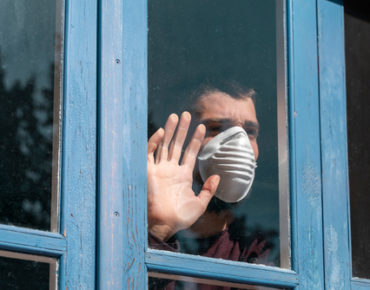
And now – finally – we are at the cusp of having many of the social restrictions relaxed and being able to interact with others in person again.
And interestingly, we as a society, seem to be a little confused and a bit hesitant now that we are facing the loosening of restrictions. Now that we are about to get what we have been craving, we aren’t so sure. The way forward is not as clear cut as we thought it would be.
As an aside, not everyone is hesitant. There are those who want to immediately remove all restrictions and jump back into doing life just as before. However, I am speaking about the majority (In my opinion) of Americans, and my personal acquaintances, who are ready to move forward a bit more slowly.
In general, we are a bit hesitant as we move forward.
As a collective, we look like a deer caught in the headlights.
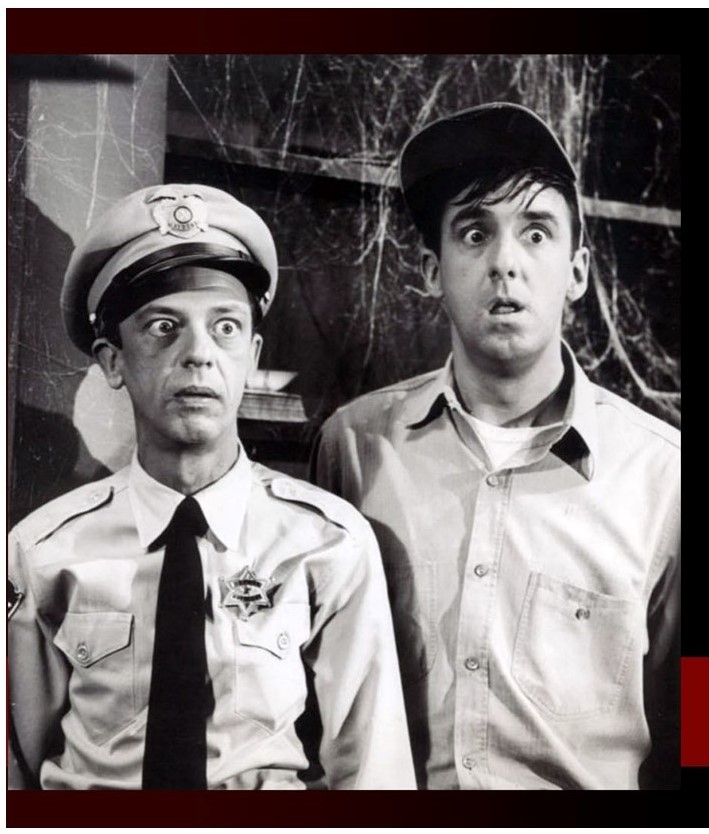
A very agitated, impatient, slightly hesitant deer facing the headlights of something that has surprised us. We either want to run even faster, or we become paralyzed. And we are surprised by our reactions.
And have you noticed that people pretty strongly disagree about the when/how/what/why of all this? And are very put out with those who disagree with their view? The fact that even the experts are not in agreement about how to move forward should tell us something…
But back on topic…
There is so much that we aren’t sure of as we leave isolation. So many things we’d – hopefully? naively? – assumed we’d have under control by now. We thought we’d be more CERTAIN of things at this point. We Americans do not like waiting for things. We want what we want, NOW. Even when we know that it’s irresponsible to move ahead too quickly.
But the reality is, there is still much we don’t know:
- Which expert’s information is correct? What if last week’s expert has been deemed “not an expert” this week? Who should we believe and why?
- What indicators will tell us it is “safe enough” to open society back up?
- Are masks helpful or not helpful?
- What is the right distance to have between 2 people to be safe enough? How about in a yoga class? How about when singing at church? What about at a backyard BBQ?
- What will we do if/when the second wave hits? The 3rd? What if the virus changes JUST ENOUGH that it is totally new AGAIN?
- When will a safe vaccine be available?
- Who should get vaccinated against this? What if they don’t want to?
- How safe is a vaccine that is fast tracked?
- Can cats get this or not?
- What about buffets? Will we safely be able to scoop out as much orange chicken as we went when our favorite restaurants open back up for inhouse dining??
- If I’m having chest pains, is it safe to be in the hospital (yes, please call 911!)? Or will I end up catching COVID and dying from that instead?
The list goes on and on and on.
Add to that all the differing expert information that is being bantered about.

What to believe?
Anyone who took any science in grade school (we all did, btw) knows that science is often WRONG on the way to being right. Hypotheses are made based on what is known AT THE TIME, and as those assumptions are tested, we learn more and the answers change. And people can be 100% certain that they are correct, even when they are 100% wrong.
As we have seen with COVID-19.
The truth keeps changing, because that’s the way it works. It doesn’t mean people were lying – it means that the answers changed, because THAT’S THE WAY IT WORKS.
The only people who make fun of seemingly ridiculous ideas, treatments, or cures haven’t done much reading about the process of scientific discovery. (Don’t worry Pluto – you’ll always be a planet in my heart…) We’ve seen this played out in painful detail daily right in front of our eyes during this pandemic.
Oftentimes, things that sound ridiculous end up being the right, scientific answer (flat earth, spherical earth anyone? Using mercury in makeup NOT a good idea?)
We’re all doing the best we can – experts too – based on what we know right now. Tomorrow we will know more and we’ll adjust.

You can’t know what you know until you know it.
So we can’t be ABSOLUTELY SURE about any of this right now. But we can be pretty sure about some things, based on observation, data, and educated guesses. And we can be sure enough to move forward, based on what we DO know right now.
Otherwise, we’d never leave our houses.
It is starting to dawn on us that we will have to figure out how to live life WITHOUT the certainty that our human nature craves as we decide what to do next.
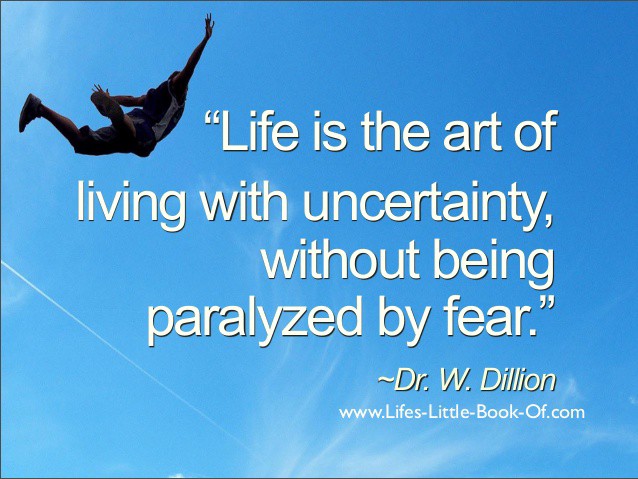
Being greatly bothered by all the uncertainty – even becoming paralyzed because of it – leads to a huge increase in anxiety.
We are seeing a huge increase in depression and anxiety after 3 months of social distancing. This should come as no surprise.
But, you can make things better for yourself with some purposeful thinking and mindful actions.
Here are some things to consider as you figure out how YOU can move forward and live life again as restrictions on social distancing are lifted.
1. Pay attention to your thoughts
Be aware of how you view things. The thoughts you consistently ruminate on will greatly influence your feelings. Do you tend to focus on problems or solutions? If you decide the world is a horrible, scary place and it isn’t even safe to go get the mail – this will impact your overall emotional well-being. If you assume that you will catch the virus no matter what you do, and that if you do catch it, you will not survive, your anxiety will sky rocket, whether you come down with COVID-19 or not.
On the other hand, if you remind yourself that you have taken all reasonable precautions, and that you have done everything you can to avoid contracting the virus, you will feel calmer in general. A body under constant, intense mental/emotional stress will become less likely to successfully fight off an illness. Our emotional state impacts our physical state – it’s all connected.
You can control what thoughts you repeat to yourself. If your thoughts are full of anger at those who disagree with you, unprovable conspiracy theories, certainty that this virus will kill you and your loved ones, and a general assumption that the world is a dangerous, horrible place and your leaders are evil and stupid, you will make yourself and those around you absolutely miserable. Instead, try to focus your thoughts on the positives of this situation and on the things you have some control over. Look for GOOD news rather than conspiracies and hatred. Remind yourself of what you CAN do instead of obsessing about what you can’t.

2. Stay in the present
It’s easy to rehash things that have already happened and wish we’d done something differently, or focus on the future and what will happen IF…
It’s not necessarily bad to think about those things.
But if you find yourself spending too much time beating yourself (or others) up about past mistakes and wishing you’d done things differently, or thinking about all the horrible what-ifs related to an uncertain future – you need to mindfully change where you park your thoughts.
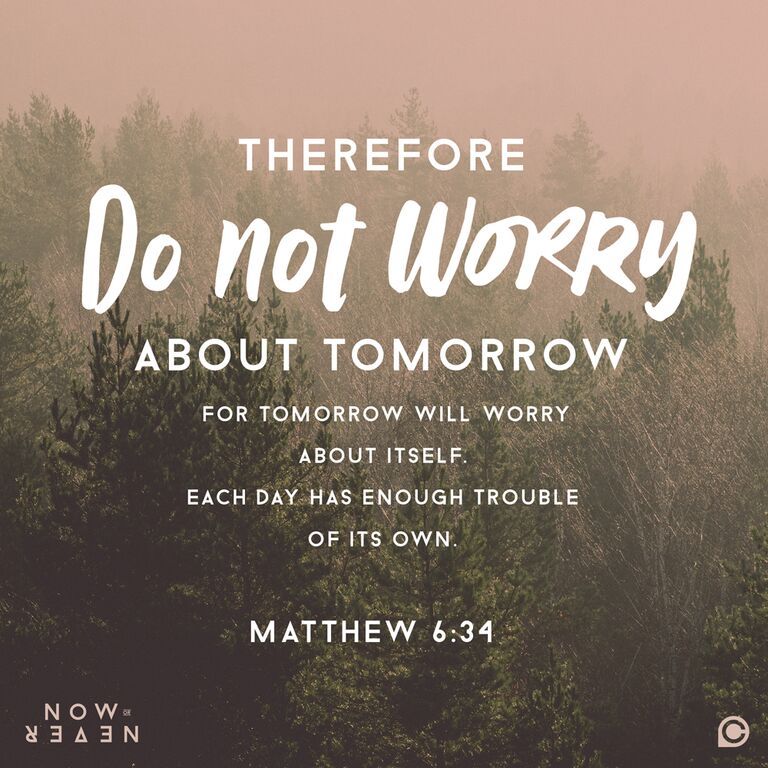
We know, logically, that we can’t go back and change the past. We also know that we can’t know everything about the future and eliminate all risks. All we have, at the moment, is that moment. So focus on what is happening right now, on the things you do right now, on the things you know right now.
Plan for the future and learn from the past, but don’t spend an inordinate amount of time on those places, over which you have little or no control.
3. Focus on things you CAN control
We all know that there are many more things we CAN’T control about this virus than things we CAN control. Don’t be naïve and uninformed about all the things, but to focus on only the things you can’t control is a recipe for frustration and more anxiety. Here are some things you CAN control:
Daily routine (time you get up, whether you change out of pajamas, brushing your teeth, meal times, bedtime, etc)
Tasks you choose to work on (work projects, home projects, meal planning)
Your thoughts – See above!
Your social media reading – it can be pretty vicious out there. If your stress is increasing with social media use, or you are spending way too much time scrolling through posts, then do something about that. Limit the time you spend online. “Hide” or “Snooze” some of your more extreme, volatile, hateful friends. Don’t look at certain news sites that trigger more anxiety or trigger your anger. You can stay informed without doing damage to yourself!
Self care – exercise, food, sleep. If we all would simply move our bodies every day, eat healthier, and get enough sleep, we’d weather this situation so much better. It’s not rocket science, but it seems to be so difficult for us to make healthy choices in these basic areas.
Which precautions to take (PPE) – Even though our government leaders make recommendations that I believe we should abide by, you do get to choose which ones you will follow. Will you wear a mask? Which kind? Gloves? When and with what will you wash your hands, your food, your grocery store bags, your clothing? Will you hug those outside your household? Will you attend church right away? Will you avoid certain types of crowds? There are pros and cons and all sorts of opinions about all of this. What will YOU do, that will best protect yourself and also respect the needs of those in your world who require different protection than you do?
Social gatherings – will you attend? What personal distance and PPE will you need?
How extreme to take isolation – if you tend to be depressed or anxious, staying completely isolated indefinitely is not your friend! Isolation can distort your perception of reality and cause you to worry excessively and feel even more discouraged and hopeless. Humans are designed to be social, to need other people. Even if you can’t meet in person, you can choose to connect with others via Zoom, Skype, Facetime, etc.
Choosing to do things you need to do, regardless of whether you FEEL like it or not. We feel less discouraged when we are productive. I like to say “doing something is better than doing nothing”: if the house needs cleaning but you are struggling with depression and motivation, then do ONE thing that tidies up a bit, even if it is only that you move the laundry from the washer to the dryer, or change the empty toilet paper roll. Don’t ask yourself whether you feel like it or not (because you won’t…). Just get up and do one thing.
4. Don’t hyper focus on extreme views (in either direction)
We can probably all recite the extreme views on COVID-19 from either direction – the side that would perhaps NEVER feel safe, and the side that believes the government is out to get us and it’s all made up. The truth is usually somewhere in the middle. The crazy-making part, is that neither extreme (no matter what the topic is) can actually prove that their view is true. So, again, we move forward with uncertainty. If you truly hold an extreme view, that’s fine. But parking on that view and getting worked up trying to convince others only raises YOUR own stress and alienates friends and strangers alike.
5. Have a plan
Decide what you are going to do as the restrictions are lifted. Then work the plan.
6. Own your decisions
Whatever you decide to do, do it on purpose. Don’t pretend like you have no choice; that only makes you feel like a victim. You always have choices, even though may not like what they are. Even if we aren’t allowed to meet socially in groups yet, be creative and own your decision of what to do. For example, you may not be able to hug your grandkids right now, but you can choose to respect the restriction and, instead, have a Zoom family time with them. Or drive to their house and have a driveway visit. Be creative! You can be respectful of decisions you disagree with and still find something satisfying to do with the situation. Find a way to meet your needs, while still honoring the situation you are facing. Instead of saying, “Well, I CAN’T do such-and-such”, instead tell yourself, “I don’t like the current situation, but here’s what I CAN do right now…”
7. Accept the fact that life is FULL of unknowns and that that doesn’t mean anything is wrong or that life is horrible – see above!
8. Ask yourself what is the most LIKELY thing to happen
Don’t get stuck on assuming worst case. Our brains, and especially those of us who struggle with anxiety, tend to sprint straight to “worst case” thinking and park there. Think about the things you have recently worried about happening – did those worst case scenarios actually happen? Usually, they do not. But we tend to spend most of our time worrying about those things anyway.
“What if someone with COVID-19 touches a potato at the grocery store, and then I buy that potato and take it home! What if I get COVID from that potato?? What if my lungs have a vulnerability that I don’t know about! Will I die if I buy potatoes at the grocery store today??”

That’s a little too much anxiety about grocery shopping.
We DO need to consider the risks and the unknowns and plan accordingly. Thinking things through to a reasonable degree is not a bad thing. But it is easy to get carried away.
So, yes, do know what you would do if worst case were to happen.
But, then, ask yourself these 2 more helpful (and reasonable) questions:
1) What is the BEST thing that could happen?
In our grocery store example, the best outcome would be that you buy some potatoes and nothing happens other than mashing them and adding lots of milk and butter at home later.
And most importantly:
2) What is most LIKELY to happen?
Is it possible that the horrible thing could happen? Yes. But how likely is that? Usually, the likelihood is very, very small.
Don’t let fear of the worst case drive your answer to this question!
It is healthier and more reasonable for you to focus on what is most likely to happen rather than assuming that worst case will happen.

9. Be flexible as we move forward
I don’t know exactly how this is all going to play out, but I do know that things will change. Probably over and over. So, save yourself some annoyance and frustration, and just accept that we’ll all have to adjust as we go along. Unfortunately, we don’t have all the answers to this pandemic, because we haven’t faced this before. Not the president, not the experts, not the doctors, not me, not you. We are doing our best (even if sometimes our best isn’t all that great), and will certainly have to adjust as we know more. Offer others and yourself some grace as we feel our way though. Be patient with yourself, your government, and the people in your life as we all try to move forward, doing the best we can.
So far, no one has requested, or demanded, that I give up my rights, or do something illegal, or act unethically because of COVID-19. I may disagree with their methods and some of their conclusions, but that is also my right to do so, as it is yours as well.
This is a weird, uncomfortable time for everyone.
I don’t like uncertainty any more than you do.
But I have worked hard to learn to deal with uncertainty and change, and have enjoyed a life with far less anxiety and frustration as a result.
This pandemic offers us a perfect opportunity to develop our ability to take action in the face of uncertainty. I promise that the more you practice the steps I’ve shared above, the better you will feel both emotionally and physically, and the better life will seem to you regardless of what circumstances come your way.
Until next time…
 Peripheral Wisdom